Call Us: +86-13916946090
Inquiry Now- Production Factory
- High Quality
- Good Price
- OEM/ODM
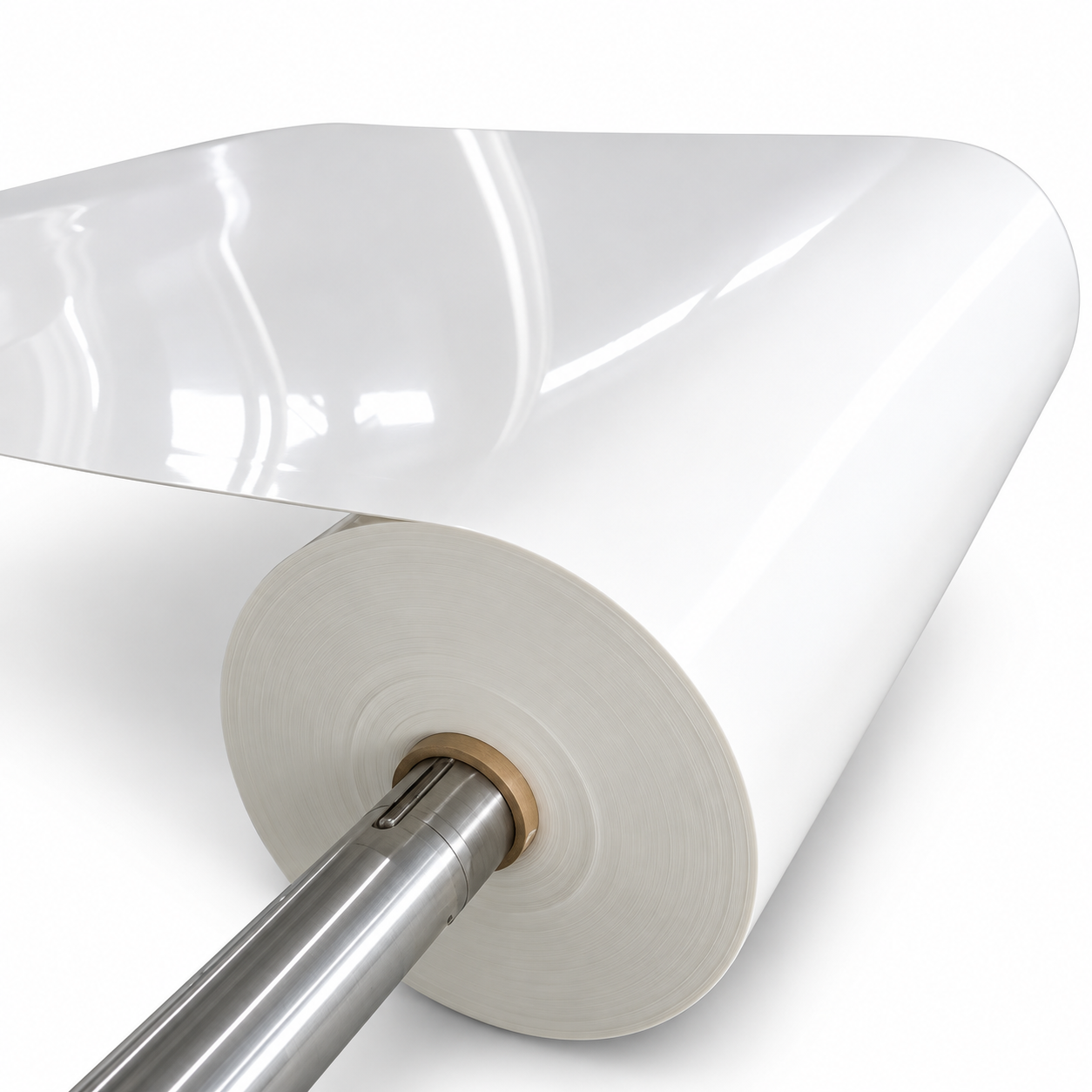
PP Poultry Manure Belt for Chicken Cage Manure Removal Systems
Product Description
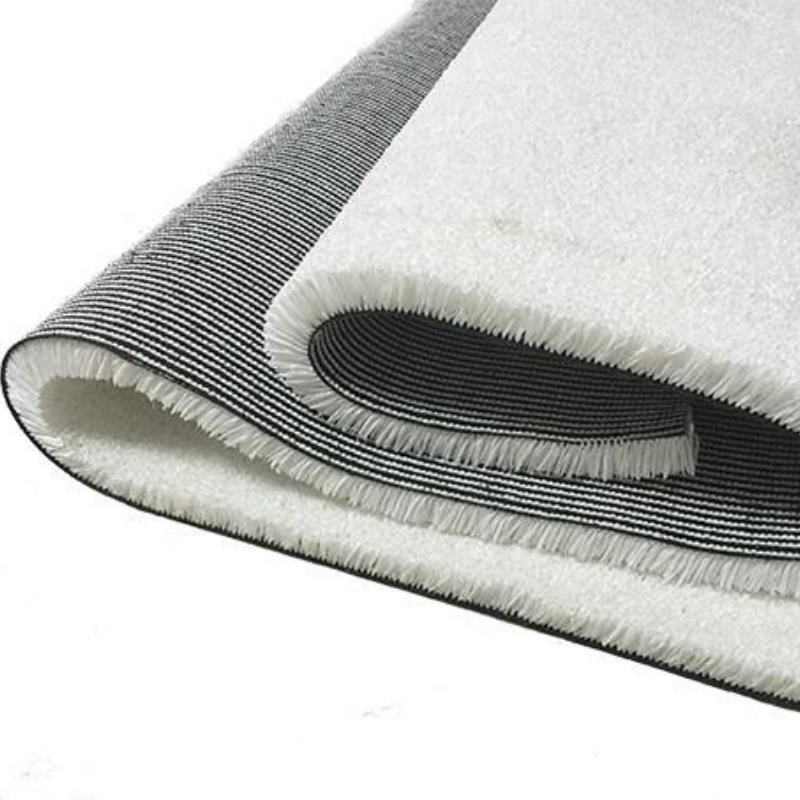
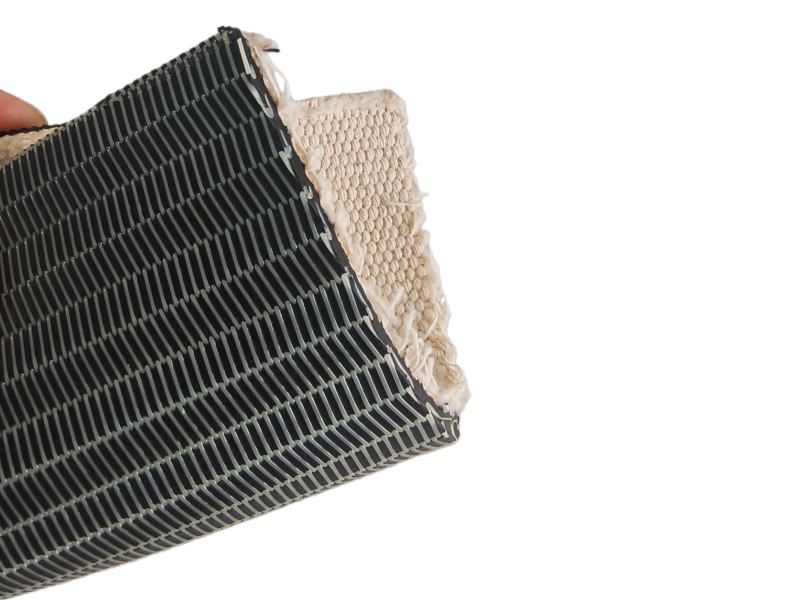
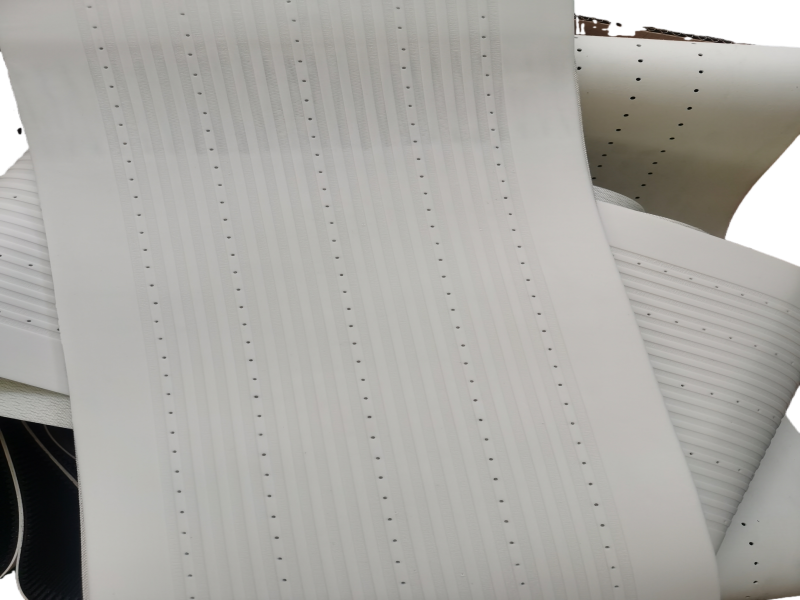
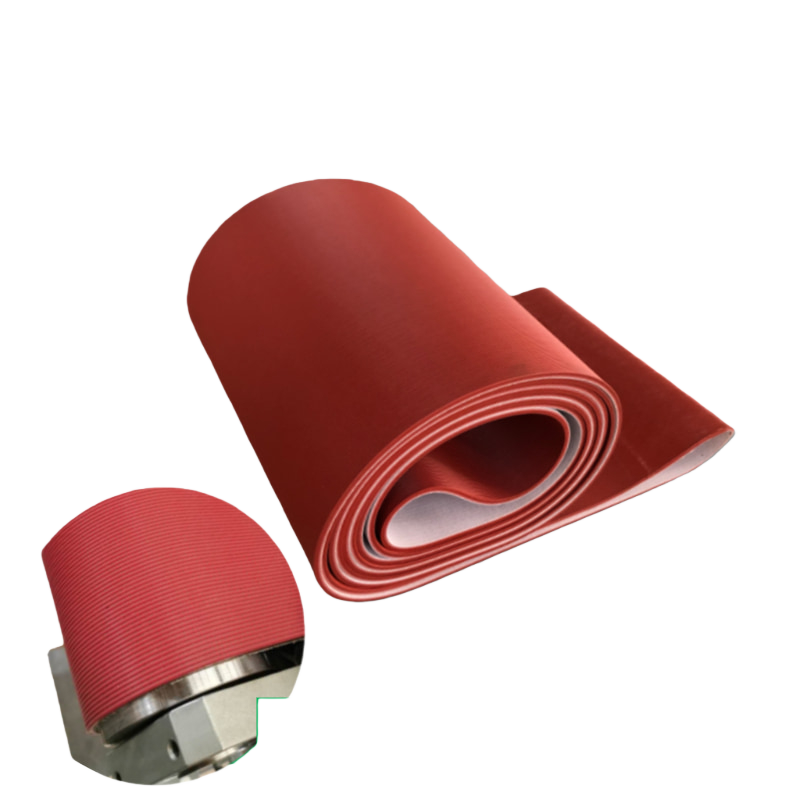
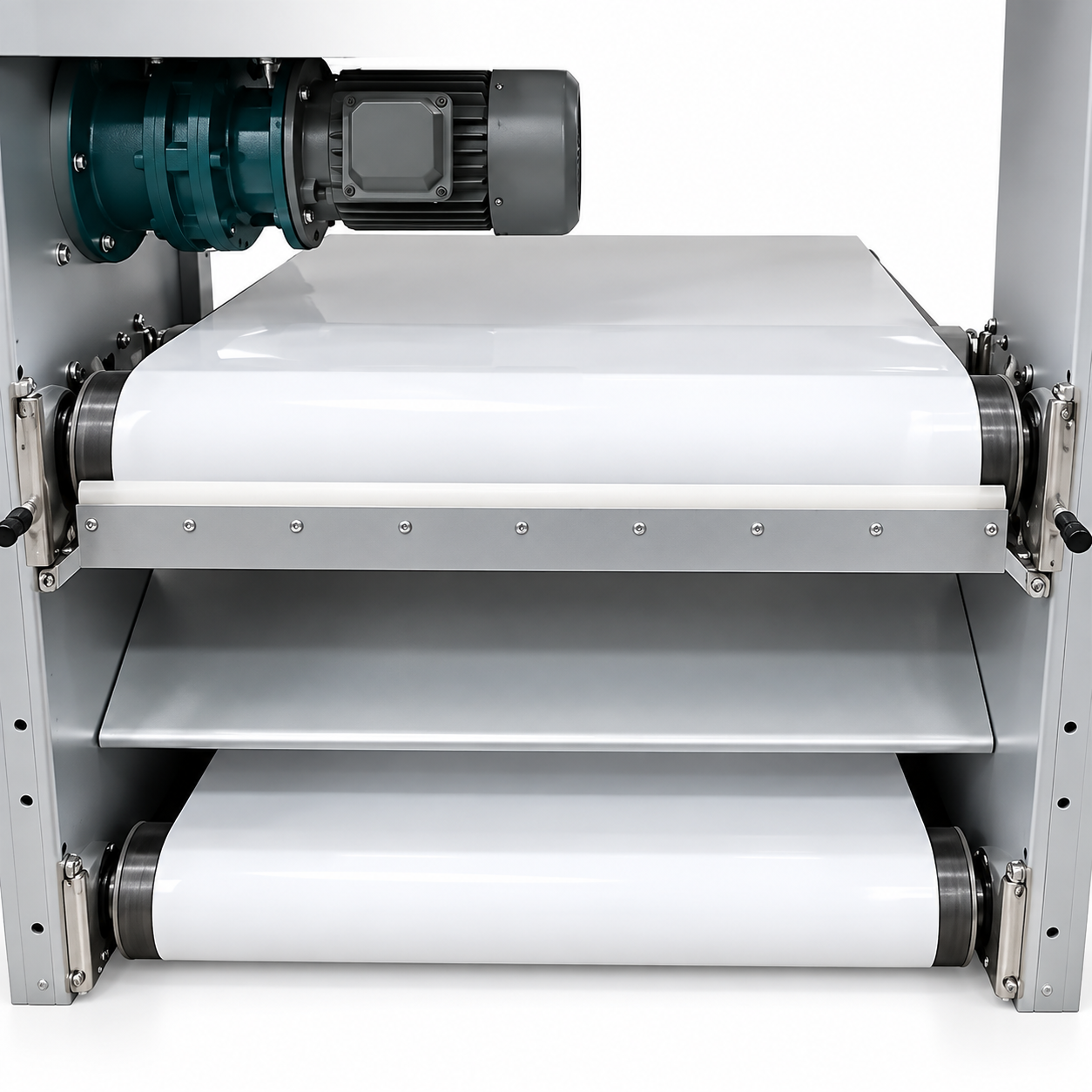
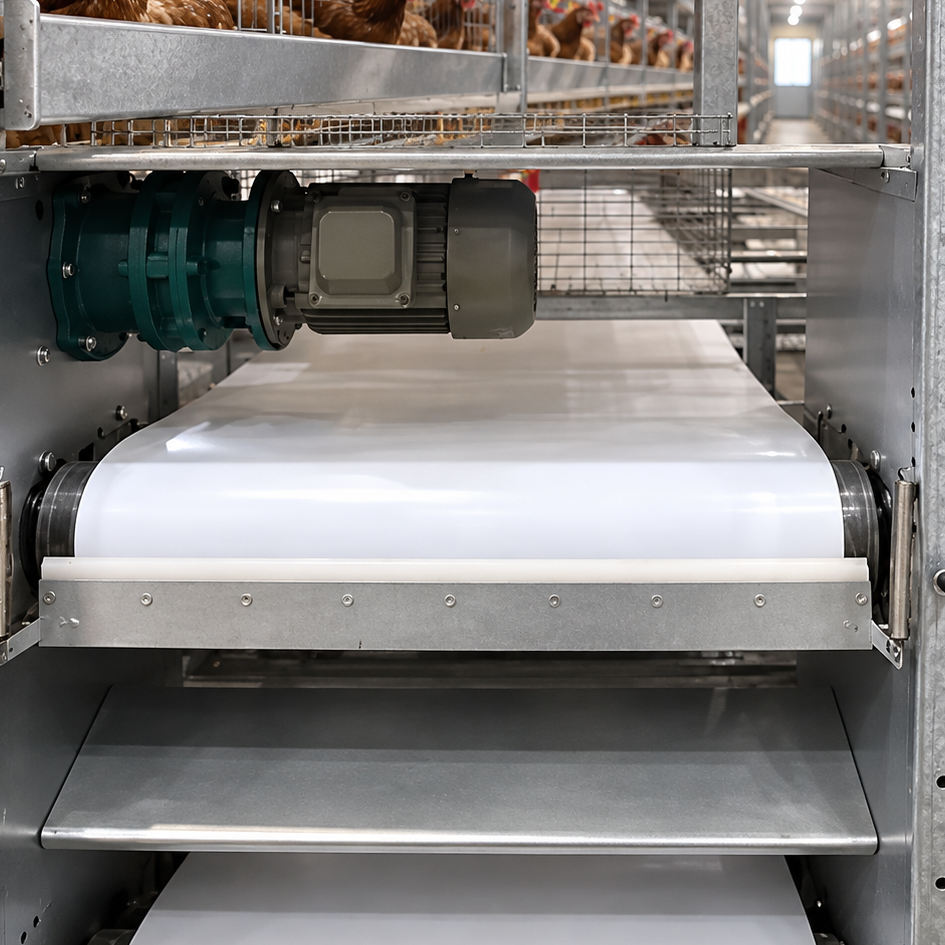
XZBELT PP Poultry Manure Belt is designed for automatic manure collection and removal systems used in modern poultry cage equipment. The belt is installed underneath each cage tier to collect poultry manure and transport it toward the end of the cage row for centralized discharge.
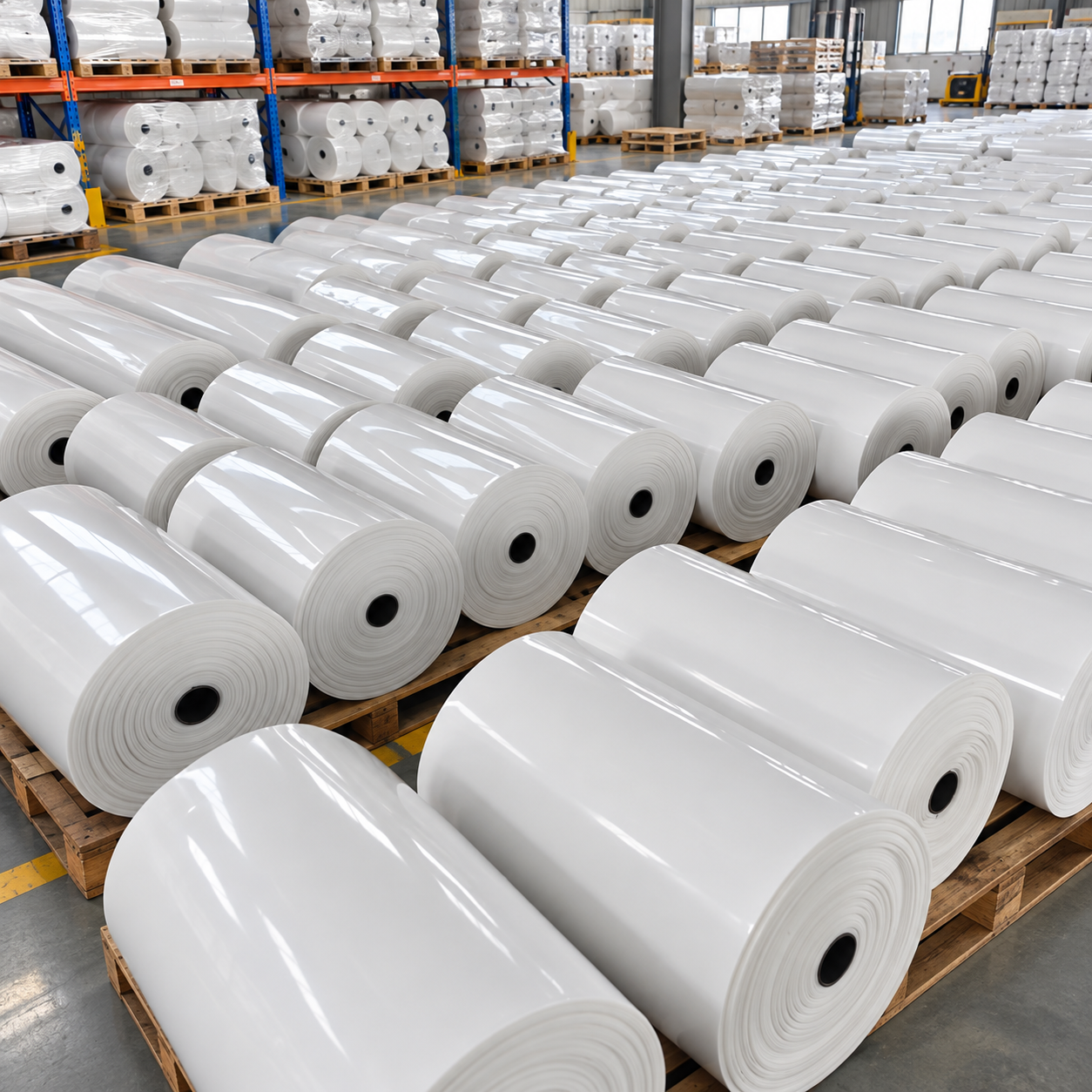
Polypropylene (PP) is the primary material used for most poultry manure belt applications because it combines low moisture absorption, good chemical resistance, controlled flexibility and a smooth surface that helps manure release during scraping.
The belt is commonly used in layer cages, broiler cages, pullet cages, breeder cages and H-type multi-tier poultry housing systems. Width, thickness and roll length can be customized according to the cage structure and manure removal equipment.
For long poultry-house installations, a manure belt must do more than simply carry waste. It also needs stable width, consistent thickness, low elongation, straight edges and reliable flexibility so that it can track correctly over long cage rows and repeatedly circulate around the drive and return rollers.
Why PP Is Commonly Used for Poultry Manure Belts
Low Moisture Absorption
PP absorbs very little water, making it suitable for humid poultry-house environments and repeated contact with manure and cleaning moisture.
Smooth Manure Release Surface
The relatively smooth belt surface helps reduce manure adhesion and allows the scraper at the discharge end to remove accumulated manure more efficiently.
Chemical and Corrosion Resistance
Polypropylene offers useful resistance to manure, moisture and many common farm contaminants. Unlike metallic transport surfaces, the belt itself does not rust.
Lightweight Belt Body
The relatively low density of PP helps keep the moving belt mass lower, which is useful for long cage rows and multi-tier manure removal systems.
Controlled Rigidity and Flexibility
A manure belt needs enough rigidity to remain flat beneath the cages, but also sufficient flexibility to circulate around the rollers. Correct thickness and material formulation are therefore important.
How the Manure Belt Works in a Poultry Cage System
In a multi-tier poultry cage system, a separate manure collection belt is normally installed below each cage level. Droppings fall directly onto the belt instead of accumulating on the poultry-house floor or lower cage tiers.
During the manure removal cycle, the PP manure belts move toward the end of the cage row. The manure is discharged as the belt passes around the roller and scraper assembly.
Depending on the poultry-house design, the removed manure can then be transferred to:
- a cross manure conveyor;
- an inclined discharge conveyor;
- a manure collection vehicle;
- a storage area;
- a drying or further manure-treatment system.
Applications
Layer Cage Manure Belt
Widely used underneath layer cages for automatic collection of chicken manure in commercial egg-production houses.
H-Type Layer Cage Systems
Suitable for multi-tier H-type cage equipment where each level requires an independent manure collection belt.
Broiler Cage Systems
PP manure removal belts can also be matched to broiler cage equipment according to cage width, row length and manure load.
Pullet Rearing Cages
Custom widths and roll lengths can be produced for pullet cage manure removal applications.
Breeder Cage Equipment
Suitable manure belts can be selected according to breeder cage dimensions and the configuration of the automatic cleaning system.
Product Features
Smooth and Flat Surface
A smooth surface helps manure release at the scraper and reduces unnecessary buildup on the belt.
Low Elongation
Controlled longitudinal elongation is particularly important on long poultry cage rows because excessive stretching increases tension adjustment requirements and can affect tracking.
Consistent Thickness
Uniform belt thickness helps maintain stable winding and movement across the drive and return rollers.
Straight Belt Edges
Accurate width and straight edges are important for long-running manure belts because small dimensional errors can become more noticeable over long cage rows.
Custom Roll Length
The belt can be supplied in long rolls according to poultry-house layout, helping reduce unnecessary joints and material waste during installation.
Technical Parameters
| Product Name | PP Poultry Manure Belt / Manure Removal Belt |
| Main Material | Polypropylene (PP) |
| Typical Surface | Smooth |
| Typical Color | White / Natural Translucent |
| Common Thickness Range | Approx. 0.8–2.0 mm |
| Common Thickness Options | 1.0 / 1.1 / 1.2 / 1.5 mm |
| Typical Width Range | Approx. 500–2500 mm depending on cage system |
| Extra-Wide Production | Wider specifications subject to project and production confirmation |
| Roll Length | Customized according to cage-row length and project requirements |
| PP Density Reference | Approx. 0.90–0.93 g/cm³ depending on material formulation |
| Typical Operating Environment | Indoor Poultry Houses / Automatic Manure Removal Systems |
| General Temperature Reference | Approx. -20°C to +60°C for many standard PP manure belt applications; special formulations depend on project requirements |
| Typical Cage Applications | Layer / Broiler / Pullet / Breeder / H-Type Multi-Tier Cage Systems |
Note: Final width, thickness, roll length, tensile performance and temperature capability depend on the selected material formulation and manure removal equipment. Machine dimensions should be confirmed before production.
How to Choose the Right Belt Thickness
1.0 mm
A common specification for poultry manure removal systems where low belt weight and good flexibility are required.
1.1–1.2 mm
Frequently selected as a balance between flexibility, dimensional stability and manure carrying requirements.
1.5 mm
A heavier construction used where greater belt body strength or rigidity is required.
Thicker Is Not Always Better
Increasing belt thickness also increases stiffness and bending resistance. The correct specification should match cage width, row length, roller diameter, manure load and drive design rather than simply selecting the thickest belt available.
Why Long Cage Rows Need Stable Belt Dimensions
Manure belts often operate over much greater lengths than ordinary machine conveyor belts. For that reason, relatively small differences in width, edge straightness, internal stress or elongation can have a larger effect on tracking.
For a long manure removal line, important belt characteristics include:
- consistent width across the roll;
- uniform thickness;
- low longitudinal elongation;
- flat roll formation;
- straight edges;
- stable material formulation;
- appropriate flexibility around the rollers.
Replacement Poultry Manure Belt
For replacement projects, the existing belt is usually the best starting point for specification matching.
Please provide the following information:
- existing belt material if known;
- belt width;
- belt thickness;
- required roll length;
- cage type;
- number of cage tiers;
- total cage-row length;
- drive and return roller diameter;
- quantity required;
- clear photos of the existing manure belt and equipment.
For poultry equipment manufacturers, cage drawings and manure removal system dimensions can also be used for belt specification development.
Customization Options
Custom Width
Belt width can be matched to the manure collection area underneath the poultry cages.
Custom Thickness
Common specifications include approximately 1.0 mm, 1.1 mm, 1.2 mm and 1.5 mm, with other thicknesses evaluated according to equipment requirements.
Custom Roll Length
Roll length can be matched to cage-row dimensions to simplify installation and minimize unnecessary cutting.
Material Formulation
PP is the main material used for most manure belt applications. Final material characteristics can be selected according to climate, flexibility, tensile stability and operating conditions.
Why Choose XZBELT
A poultry manure belt may look like a simple sheet of PP, but reliable operation depends on the combination of material stability, thickness consistency, width accuracy, edge straightness, flexibility and low elongation.
XZBELT supplies manure collection belts according to the actual poultry equipment rather than treating every cage system as one standard size.
We support poultry equipment manufacturers, belt distributors and replacement buyers with customized belts for layer, broiler, pullet, breeder and multi-tier cage manure removal systems.
FAQ
What is a poultry manure belt?
A poultry manure belt is a flat belt installed underneath poultry cages to collect manure and transport it toward the discharge end of an automatic manure removal system.
What material is commonly used for manure collection belts?
Polypropylene is the primary material used in most poultry manure belt applications because of its low moisture absorption, chemical resistance, relatively low density and suitable balance of rigidity and flexibility.
Is PP the only material that can be used?
PP is the main material for this application, but the final material should still be confirmed according to the original equipment specification and project requirements.
What thickness is commonly used?
Common specifications include approximately 1.0 mm, 1.1 mm, 1.2 mm and 1.5 mm. Other thicknesses are available depending on the manure removal system.
What width is available?
Many commercial poultry manure belts fall within approximately 500–2500 mm. The required width should be matched to the cage system and manure collection area.
Can XZBELT supply H-type cage manure belts?
Yes. Width, thickness and roll length can be customized according to H-type layer cage and other multi-tier poultry equipment.
Can the belt be used for broiler cages?
Yes. PP manure belts can be matched to selected broiler, layer, pullet and breeder cage manure removal systems.
Why does a manure belt move to one side?
Tracking problems can be caused by uneven tension, roller misalignment, cage-frame deformation, manure buildup, belt dimensional variation or incorrect installation. The complete belt and roller system should be inspected together.
Does a thicker PP manure belt last longer?
Not automatically. Greater thickness increases belt body strength but also increases stiffness and bending resistance. Thickness should be matched to roller diameter, cage width, row length and drive design.
Can you make a replacement belt from an existing sample?
Yes. Existing belt dimensions, photos, cage drawings or a physical sample can be used to evaluate the required material, width, thickness and roll length.
What information is needed for a quotation?
Please provide belt width, thickness, required roll length, cage type, cage-row length, number of tiers, roller diameter, required quantity and photos or drawings of the existing system.
Our company has three patents authorized and eight patents pending. In May 2019, we passed the Shanghai High-tech Achievement Transformation Project, and in September of the same year, we officially became a Shanghai High-tech Enterprise. Since our establishment, our company has been focusing on the industrial belt industry, focusing on innovation, and constantly developing new products, because we believe that innovation is the vitality of the enterprise.
Production Factory
As a manufacturer, we have a standard workshop of 30000 square meters, which has passed ISO9001 quality certificationIn production, we check every level and arrange professional quality inspection personnel to carry out strict quality inspection on the finished products to ensure that each manufactured product is a premium product. Usually, our factory has a large amount of inventory to provide customers with customized services to meet customer's short delivery requirements.
12 Years Industrial Belt Experience
During the 12 years of customer service, we have helped thousands of companies to provide countless solutions to belt problems. From the belt configuration of Mercedes-Benz's automobile production line, the installation and commissioning of the conveyor belt at Nike's logistics center, and the development and application of roll-up belts in steel mills and aluminum plants.We have accumulated a wealth of industrial belt industry experience, and these experiences have motivated continuously develop new products. Whether you are selecting a belt for a new machine or a problem with an existing belt, we are ready to provide you with professional advice and solutions.
Professional Staff
Professional team. Our employees are all professionally trained. Our professionalism and service of sales staff has won praise and recognition from customers. Any inquiry from you will be answered within 24 hours.
OEM/ODM Available
OEM/ODM order available. Reliable machinery has the experience capability and professional R&D team to make any OEM/ODM customer's project, responsible work shop managent follow up and supervise each other.